Workshops
In-service workshops for educators, leaders, and teams
Your team spends a session with a facilitator who knows education and care, and leaves with shared language and ideas to use the next day.

Not sure which one fits? Choose by topic
Workshops
In-service workshops for educators, leaders, and teams
Your team spends a session with a facilitator who knows education and care, and leaves with shared language and ideas to use the next day.
Not sure which one fits? Choose by topic
Behaviour and wellbeing
Respond to what children need
Your team learns to see behaviour as information and to meet children’s needs with calm, relationship-based guidance.

Educator Toolkit for Behaviour
Your team builds a shared, needs-based understanding of behaviour and responds with clarity, confidence, and care.

Fostering Wellbeing in Early Childhood
Educators plan everyday practice that supports young children’s safety, connection, and wellbeing.

Communicating for Connection
Educators build warm, responsive interactions with children and young people in everyday moments.

Rethinking Transitions in School Age Care
School age care teams look at what children experience as they move through the day, and respond in ways that build regulation, trust, agency, and belonging.
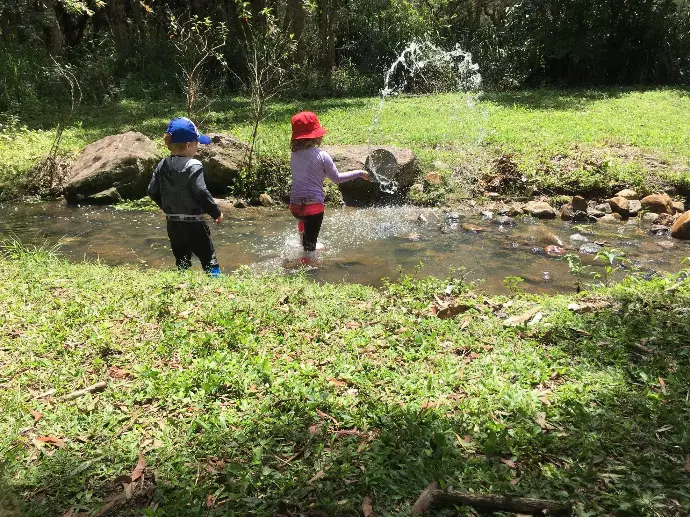
Sensory Pathways, Emotional Highways
Educators use sensory and schematic play to support children’s emotional development and wellbeing.
Leading and wellbeing
Care for the people who care for children
Your team gets practical ways to refill, and a shared language for what everyone needs at work.

Strong Leaders for Stronger Teams
Leaders learn to lead with clarity, compassion, and purpose, treating leadership as a relational, needs-informed practice.

The Phoenix Cups® 101 workshop
Your team maps its five Cups, builds a shared language for needs, and plans how to keep them filling.
Educator Wellbeing
Your team learns to catch the thinking that makes hard days harder and leaves with practical ways to refill.
Creating a Culture of Wellbeing
Part two of Educator Wellbeing: your team turns the Phoenix Cups® language into a shared plan for a workplace where everyone’s needs are easier to meet.

Team building day
A day planned with you, mixing short presentations, workshopping, and team activities, so your team learns more about themselves and each other.

Mental Health First Aid
A two-day course that builds the knowledge and confidence to recognise and respond to people experiencing mental health challenges.
Behaviour and wellbeing
Respond to what children need
Your team learns to see behaviour as information and to meet children’s needs with calm, relationship-based guidance.
Educator Toolkit for Behaviour
Your team builds a shared, needs-based understanding of behaviour and responds with clarity, confidence, and care.
Fostering Wellbeing in Early Childhood
Educators plan everyday practice that supports young children’s safety, connection, and wellbeing.
Communicating for Connection
Educators build warm, responsive interactions with children and young people in everyday moments.
Rethinking Transitions in School Age Care
School age care teams look at what children experience as they move through the day, and respond in ways that build regulation, trust, agency, and belonging.
Sensory Pathways, Emotional Highways
Educators use sensory and schematic play to support children’s emotional development and wellbeing.
Leading and wellbeing
Care for the people who care for children
Your team gets practical ways to refill, and a shared language for what everyone needs at work.
Strong Leaders for Stronger Teams
Leaders learn to lead with clarity, compassion, and purpose, treating leadership as a relational, needs-informed practice.
The Phoenix Cups® 101 workshop
Your team maps its five Cups, builds a shared language for needs, and plans how to keep them filling.
Educator Wellbeing
Your team learns to catch the thinking that makes hard days harder and leaves with practical ways to refill.
Creating a Culture of Wellbeing
Part two of Educator Wellbeing: your team turns the Phoenix Cups® language into a shared plan for a workplace where everyone’s needs are easier to meet.
Team building day
A day planned with you, mixing short presentations, workshopping, and team activities, so your team learns more about themselves and each other.
Mental Health First Aid
A two-day course that builds the knowledge and confidence to recognise and respond to people experiencing mental health challenges.
Safety
Lead your team and keep every child safe
Leaders and educators build the skills to supervise well and work together on child safety.

Supervision: because safety doesn’t just happen
Educators strengthen their supervision practice, blending theory with practical, real-world strategies.

Empowered to Protect
Educators build the knowledge, confidence, and reflective practice to share responsibility for child safety and child protection.

Safe, Seen, Supported
Educators learn how adversity shapes children’s development, behaviour, and relationships, and how to respond with safety and connection.
Play and environments
Design spaces children can grow in
Educators create environments and play experiences that invite deep engagement, curiosity, and joy.
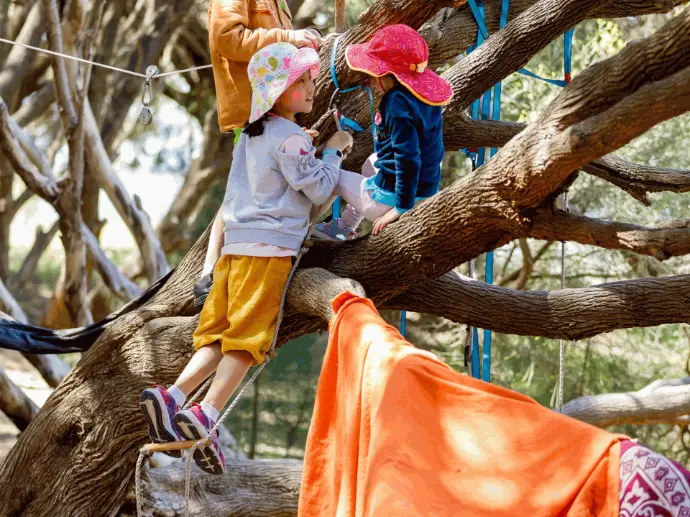
Flow Pedagogy
Educators slow down and design environments where deep play, joy, and need-meeting moments flourish.
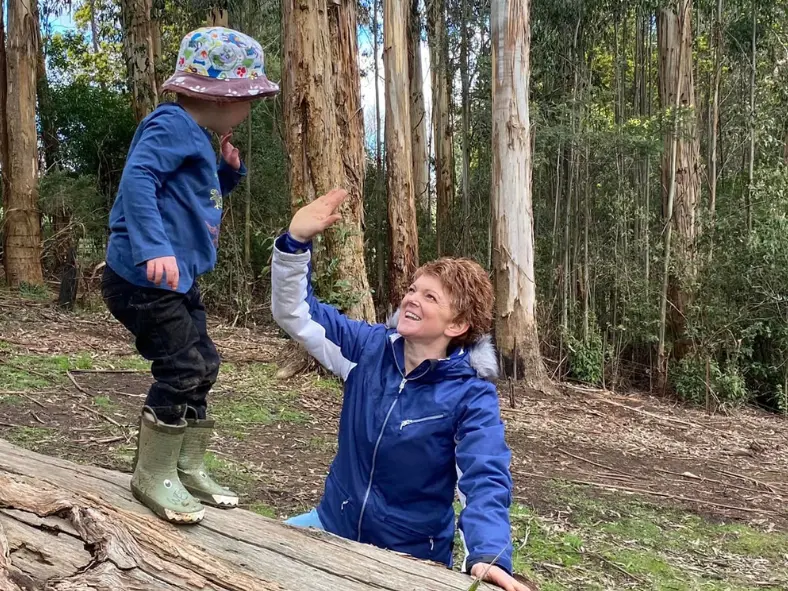
Playing with risk
Educators rethink how risk shows up in children’s play and in adult decisions, and learn to support adventurous play.
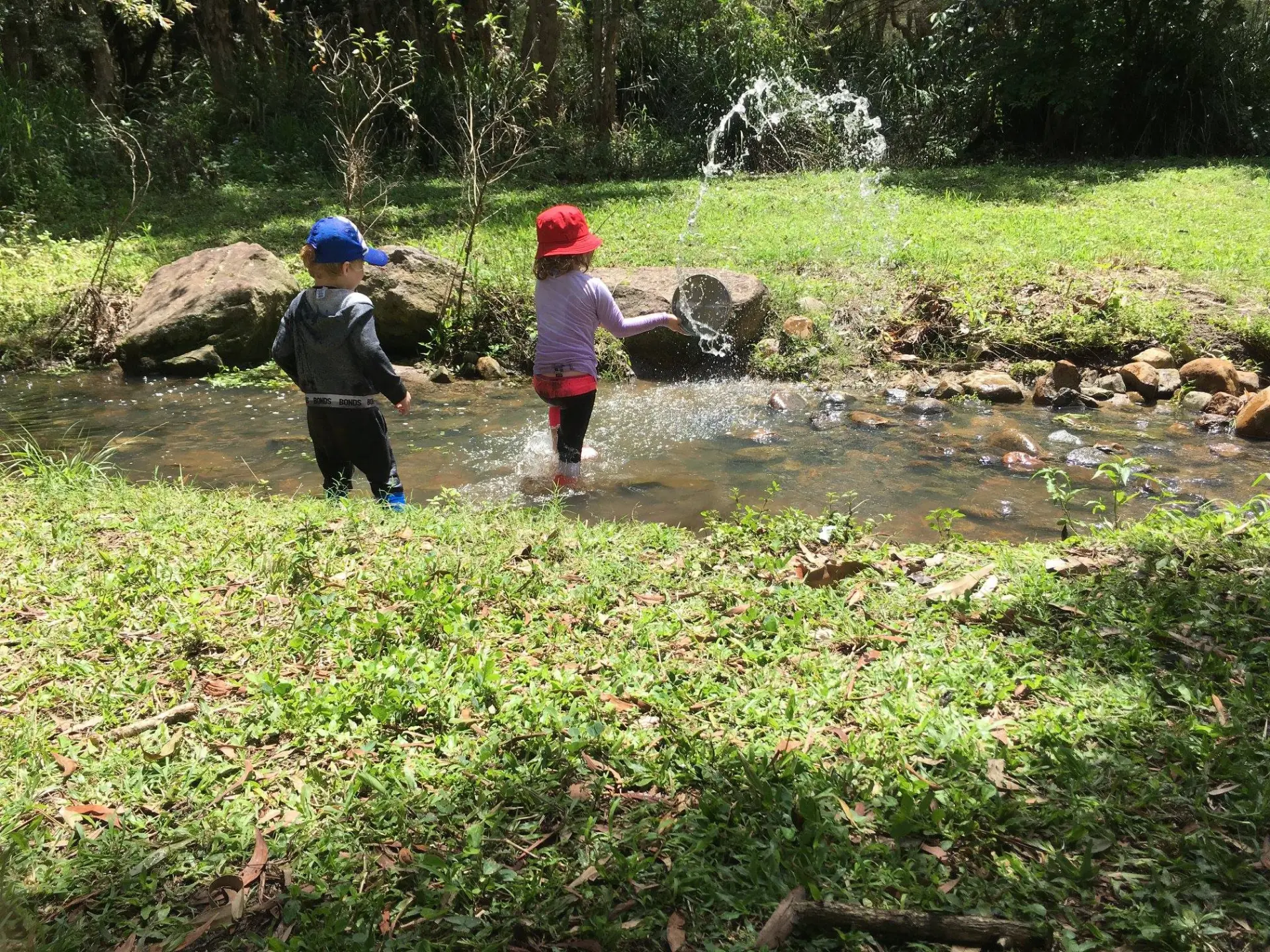
Pebbles, Puddles and Possibilities
Your team learns to give children the time, space, and autonomy to learn in nature, then notice and extend that learning.

An Environment I Can Become In: STEAM
Educators design environments where STEAM grows from children’s curiosity, hands-on exploration, and real-world problem-solving.
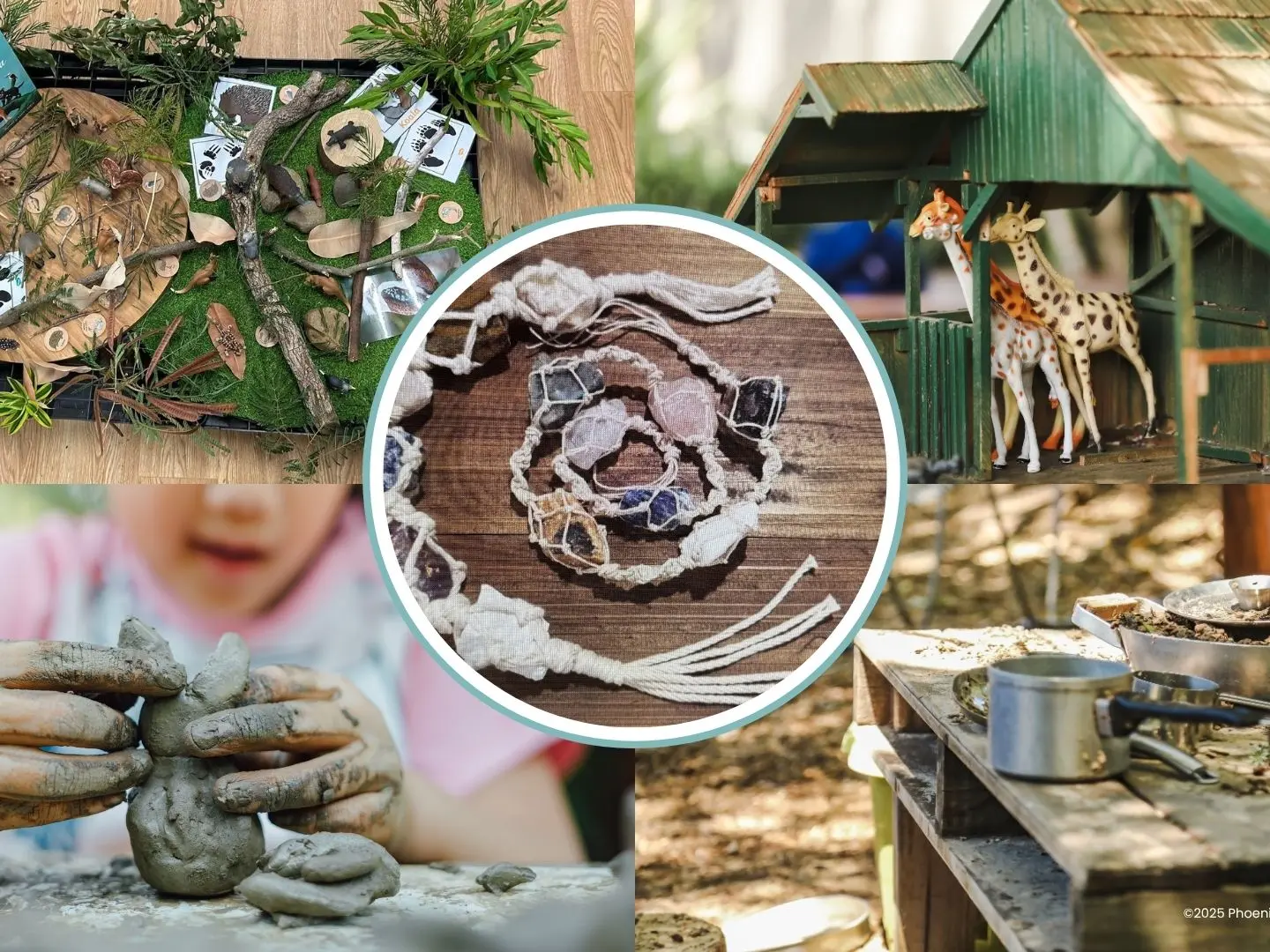
An Environment I Can Be In
Educators rethink the learning areas they create and how those areas shape children’s emotional states, wellbeing, and play.
Numbers in Play
Educators recognise, extend, and celebrate children’s mathematical thinking as it emerges through play.
Playing with intentionality
Educators balance purposeful practice with discovery, inside relationships and play, to support executive function.
Safety
Lead your team and keep every child safe
Leaders and educators build the skills to supervise well and work together on child safety.
Supervision: because safety doesn’t just happen
Educators strengthen their supervision practice, blending theory with practical, real-world strategies.
Empowered to Protect
Educators build the knowledge, confidence, and reflective practice to share responsibility for child safety and child protection.
Safe, Seen, Supported
Educators learn how adversity shapes children’s development, behaviour, and relationships, and how to respond with safety and connection.
Play and environments
Design spaces children can grow in
Educators create environments and play experiences that invite deep engagement, curiosity, and joy.
Flow Pedagogy
Educators slow down and design environments where deep play, joy, and need-meeting moments flourish.
Playing with risk
Educators rethink how risk shows up in children’s play and in adult decisions, and learn to support adventurous play.
Pebbles, Puddles and Possibilities
Your team learns to give children the time, space, and autonomy to learn in nature, then notice and extend that learning.
An Environment I Can Become In: STEAM
Educators design environments where STEAM grows from children’s curiosity, hands-on exploration, and real-world problem-solving.
An Environment I Can Be In
Educators rethink the learning areas they create and how those areas shape children’s emotional states, wellbeing, and play.
Numbers in Play
Educators recognise, extend, and celebrate children’s mathematical thinking as it emerges through play.
Playing with intentionality
Educators balance purposeful practice with discovery, inside relationships and play, to support executive function.
Program and practice
Strengthen planning, documentation, and reflection
Your team builds confidence with critical reflection, documentation, and the Early Years Learning Framework.
Pondering Practice
Educators break down critical reflection and build the confidence to embed it in meaningful, practical ways.

Documenting to Discover
Your team builds a whole-team approach to documentation: less quantity, more quality, and planning for emerging possibilities.

Educators, Know your stuff
Educators strengthen their grasp of the pedagogy, practices, and principles at the foundation of the Early Years Learning Framework.
Advanced workshops
Go deeper into one Cup at a time
For teams who’ve done the Educator Toolkit for Behaviour or another Phoenix Cups workshop, and want to go further.

Deep Dive into the Safety Cup®
Educators learn how children and young people experience and seek safety, and plan responses with the Phoenix Cups framework and contemporary neuroscience.

Taking the Fun Cup® Seriously
Educators plan for fun, joy, humour, and playfulness as part of children’s wellbeing, engagement, and development.

Mastering Autonomy in Education and Care
Educators build ways to support children’s agency, choice, and self-expression, with a focus on the Freedom Cup®.
Guest presenter
Behaviour guidance with Dr Louise Porter
Your team learns the guidance approach from the author of Young Children’s Behaviour, who spent 30 years in private practice. Her work shapes how our facilitators support children’s behaviour.
Children Are People Too: behaviour guidance
A workshop with Dr Louise Porter that helps your team put a guidance approach into practice, at beginner, intermediate, or advanced level.
The Children’s Behaviour Masterclass
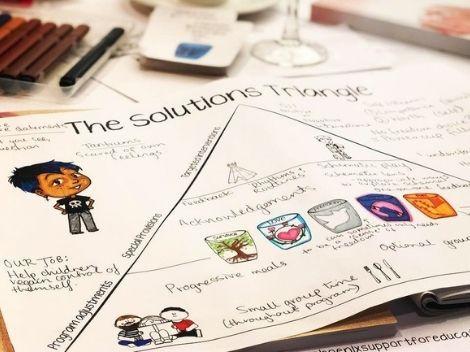
Dr Louise Porter and Sandi Phoenix can bring the masterclass to your area. Gather 30 participants, get in touch, and we’ll organise the rest.

Children’s Development with Dr Louise Porter
Prefer to learn at your own pace? This four-part self-paced online series covers intellectual, language, motor, sensory, social, and emotional development.
Program and practice
Strengthen planning, documentation, and reflection
Your team builds confidence with critical reflection, documentation, and the Early Years Learning Framework.
Pondering Practice
Educators break down critical reflection and build the confidence to embed it in meaningful, practical ways.
Documenting to Discover
Your team builds a whole-team approach to documentation: less quantity, more quality, and planning for emerging possibilities.
Educators, Know your stuff
Educators strengthen their grasp of the pedagogy, practices, and principles at the foundation of the Early Years Learning Framework.
Advanced workshops
Go deeper into one Cup at a time
For teams who’ve done the Educator Toolkit for Behaviour or another Phoenix Cups workshop, and want to go further.
Deep Dive into the Safety Cup®
Educators learn how children and young people experience and seek safety, and plan responses with the Phoenix Cups framework and contemporary neuroscience.
Taking the Fun Cup® Seriously
Educators plan for fun, joy, humour, and playfulness as part of children’s wellbeing, engagement, and development.
Mastering Autonomy in Education and Care
Educators build ways to support children’s agency, choice, and self-expression, with a focus on the Freedom Cup®.
Guest presenter
Behaviour guidance with Dr Louise Porter
Your team learns the guidance approach from the author of Young Children’s Behaviour, who spent 30 years in private practice. Her work shapes how our facilitators support children’s behaviour.
Children Are People Too: behaviour guidance
A workshop with Dr Louise Porter that helps your team put a guidance approach into practice, at beginner, intermediate, or advanced level.
The Children’s Behaviour Masterclass
Dr Louise Porter and Sandi Phoenix can bring the masterclass to your area. Gather 30 participants, get in touch, and we’ll organise the rest.
Children’s Development with Dr Louise Porter
Prefer to learn at your own pace? This four-part self-paced online series covers intellectual, language, motor, sensory, social, and emotional development.
Keep going
Build on a workshop over time
Support over time
Coaching and mentoring
Some teams start with a workshop, then add coaching across the year. It builds your team’s own capacity, so the change stays when we step back.
For providers
Organisation-wide packages
Running several services? We plan a rollout of workshops, coaching, and online learning across your organisation, and set it out in a tailored proposal.

Online courses
For educators learning in their own time, including The Phoenix Cups 101 & Wellbeing Challenge.
Keep going
Build on a workshop over time
Support over time
Coaching and mentoring
Some teams start with a workshop, then add coaching across the year. It builds your team’s own capacity, so the change stays when we step back.
For providers
Organisation-wide packages
Running several services? We plan a rollout of workshops, coaching, and online learning across your organisation, and set it out in a tailored proposal.
Online courses
For educators learning in their own time, including The Phoenix Cups 101 & Wellbeing Challenge.