Coaching and mentoring
Coaching and mentoring days for education and care teams
Your team gets a full day with a Phoenix Support for Educators coach, in your own service, on the questions you choose.

Coaching and mentoring
Coaching and mentoring days for education and care teams
Your team gets a full day with a Phoenix Support for Educators coach, in your own service, on the questions you choose.
Your team
Support that takes hold in your setting
You know your service: which environment is stretched, which educator is running low, which practice your team has talked about changing for a year without the space to do it. With a critical friend beside you in your own setting, those changes can take hold.
New to the sector
A trusted mentor
Learn from a coach who knows the work, and has time to talk it through with you.
Experienced leaders
A thinking partner
Work with someone who asks the questions that are hard to ask from inside your own team.
Whole teams
Shared space to reflect
Strengthen culture and practice together, with gentle challenge and room to grow.
What educators and leaders gain
- Greater confidence in professional judgement, and calm, needs-based responses to complex situations.
- Clearer insight into strengths, growth areas, and goals, and how they connect to your service philosophy and Quality Improvement Plan.
- Practical, research-informed approaches to curriculum planning, behaviour support, environment design, and leadership.
- Stronger critical reflection: questioning assumptions, exploring other perspectives, and turning insight into action.
- Better professional wellbeing and connection, and a stronger team culture.
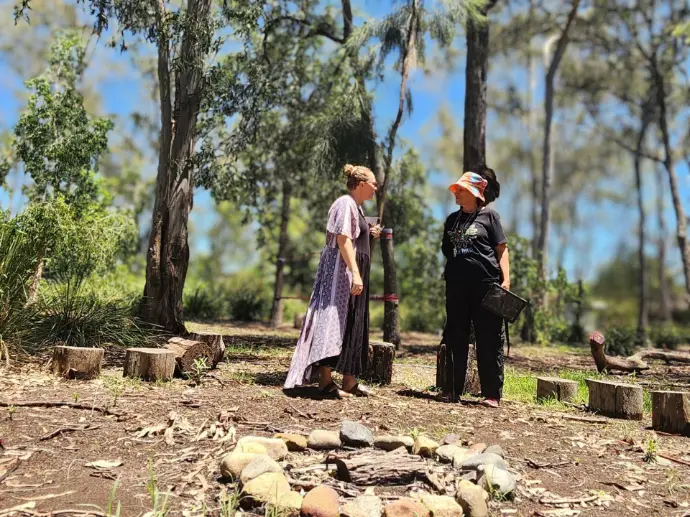
Your team
Support that takes hold in your setting
You know your service: which environment is stretched, which educator is running low, which practice your team has talked about changing for a year without the space to do it. With a critical friend beside you in your own setting, those changes can take hold.
New to the sector
A trusted mentor
Learn from a coach who knows the work, and has time to talk it through with you.
Experienced leaders
A thinking partner
Work with someone who asks the questions that are hard to ask from inside your own team.
Whole teams
Shared space to reflect
Strengthen culture and practice together, with gentle challenge and room to grow.
What educators and leaders gain
- Greater confidence in professional judgement, and calm, needs-based responses to complex situations.
- Clearer insight into strengths, growth areas, and goals, and how they connect to your service philosophy and Quality Improvement Plan.
- Practical, research-informed approaches to curriculum planning, behaviour support, environment design, and leadership.
- Stronger critical reflection: questioning assumptions, exploring other perspectives, and turning insight into action.
- Better professional wellbeing and connection, and a stronger team culture.
In your service
A coaching and mentoring day, alongside your team
A day with your coach
Each day is shaped around your service. Your coach observes, models, and gives feedback as practice happens, then talks through what came up with you and your educational leader.
Your coach listens before suggesting anything. Goals and focus areas are co-designed with educators and leaders, and grounded in your routines, your community and your Quality Improvement Plan priorities. The agenda is yours.
Three ways to book your day
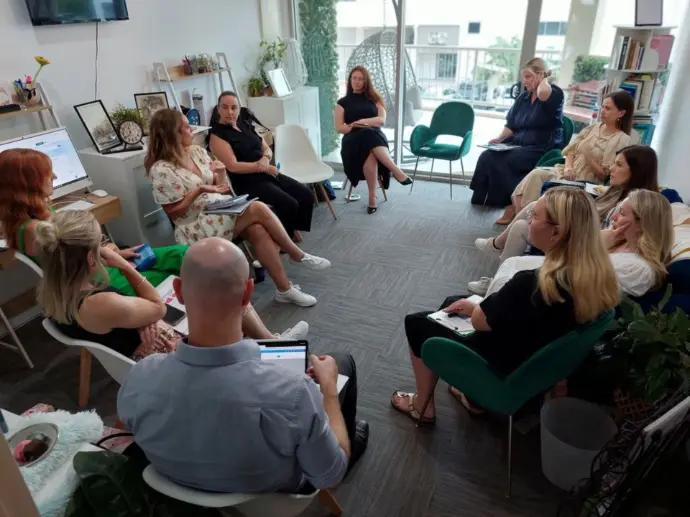
Coaching only
Coaching and mentoring day
The full day on its own: time on the floor with educators, then time off the floor to debrief and plan the next practical step.
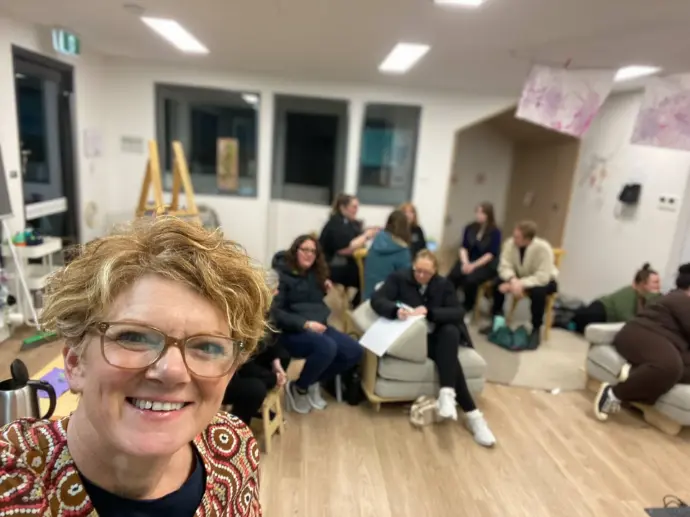
Plus an evening
Day with an evening conversation
After the day, your coach leads a whole-team Professional Conversation, using solution-focused and strengths-based thinking, and positive psychology.

Plus a workshop
Day with a workshop
A workshop for your team alongside the coaching day. Ask us which topics suit your priorities.
What your coach brings
- Observation and on-the-spot feedback, in your day-to-day setting.
- Written feedback as Quality Improvement Plan actions, when you want it.
- Goals you set together, then check in on, measure, and celebrate.
- Reflective questions, readings, and activities to guide your critical reflection.
Booking more than one day? Two or more days include phone and email support all year. Ask us how to spread your days across a term or a year.
In your service
A coaching and mentoring day, alongside your team
A day with your coach
Each day is shaped around your service. Your coach observes, models, and gives feedback as practice happens, then talks through what came up with you and your educational leader.
Your coach listens before suggesting anything. Goals and focus areas are co-designed with educators and leaders, and grounded in your routines, your community and your Quality Improvement Plan priorities. The agenda is yours.
Three ways to book your day
Coaching only
Coaching and mentoring day
The full day on its own: time on the floor with educators, then time off the floor to debrief and plan the next practical step.
Plus an evening
Day with an evening conversation
After the day, your coach leads a whole-team Professional Conversation, using solution-focused and strengths-based thinking, and positive psychology.
Plus a workshop
Day with a workshop
A workshop for your team alongside the coaching day. Ask us which topics suit your priorities.
What your coach brings
- Observation and on-the-spot feedback, in your day-to-day setting.
- Written feedback as Quality Improvement Plan actions, when you want it.
- Goals you set together, then check in on, measure, and celebrate.
- Reflective questions, readings, and activities to guide your critical reflection.
Booking more than one day? Two or more days include phone and email support all year. Ask us how to spread your days across a term or a year.
Proof
A Cairns team that moved to confident practice
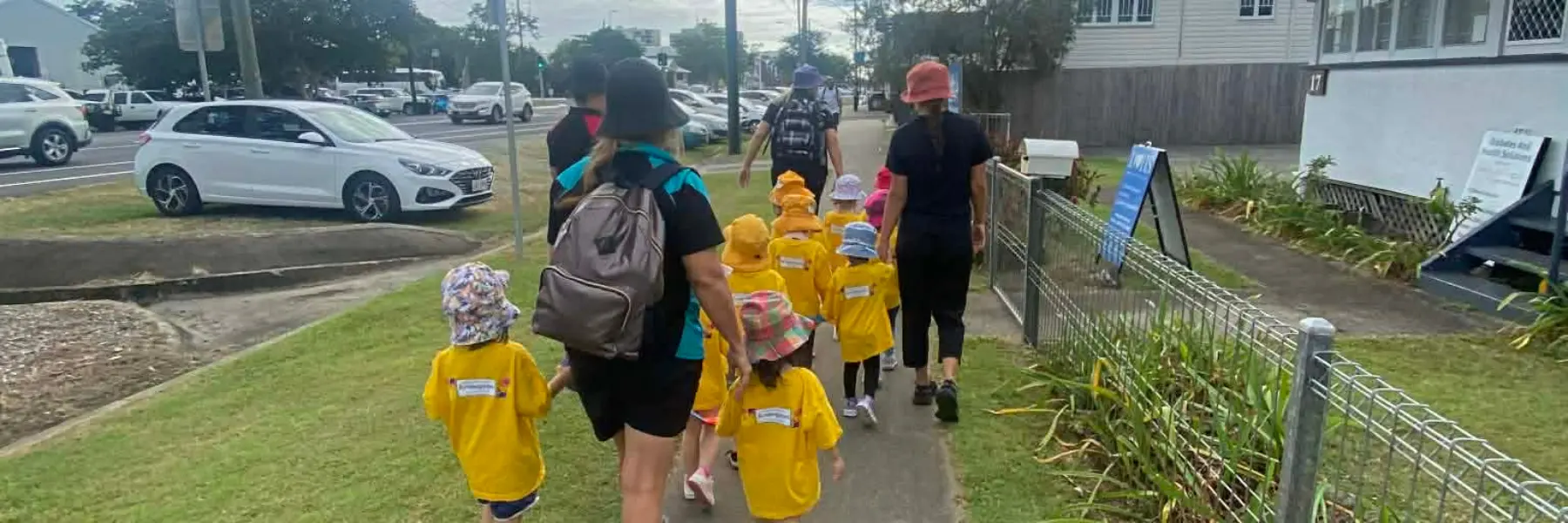
Queensland
Water Street Childcare and Kindergarten
After an Assessment and Rating visit found Element 5.2.2 Not Meeting, the Cairns team worked with a coach for 12 months through Innovative Solutions funding, and moved to confident practice.
Want to see how coaching and mentoring works across our packages? Read our downloadable brochure.
Proof
A Cairns team that moved to confident practice
Queensland
Water Street Childcare and Kindergarten
After an Assessment and Rating visit found Element 5.2.2 Not Meeting, the Cairns team worked with a coach for 12 months through Innovative Solutions funding, and moved to confident practice.
Want to see how coaching and mentoring works across our packages? Read our downloadable brochure.
Frequently Asked Questions
Questions about your coaching day
Is there a typical coaching and mentoring day?
No. Each visit is shaped by your service context, team needs and priorities, and is designed to feel supportive, responsive and purposeful. Coaching may include in-the-moment feedback, reflective questioning, modelling, and practical problem-solving grounded in your everyday practice.
Can coaching happen while children are in attendance?
Yes. Our coaches work with your team during operating hours, including when children are in attendance, so coaching is part of your real environments, relationships and routines.
Will my coach give written feedback?
Only if you want it. Time can be set aside during the visit for written Quality Improvement Plan recommendations, always discussed with you first. How much written reflection you receive depends on the time set aside on the day.
Can we choose the structure of the day?
Yes. Some services timetable focus areas or environment visits, and others prefer a more organic, responsive approach. A planning template is available if you want to outline priorities or a preferred structure ahead of the visit.
Can educators ask questions during the day?
Yes, at any time, in a one-on-one conversation with your coach. Coaching happens in real contexts, so educators can explore challenges as they arise.
An important note about safety and supervision of children
Educators will have the opportunity to ask questions and discuss challenges in a one-on-one coaching conversation with facilitator at any time during this day. If the educator is counted in educator:child ratio at the time, they might want to get into a deeply involved conversation with the facilitator, but will also need to be mindful of the active supervision of children.
We strongly recommend planning for an additional staff member to be available on the day to maximise the time that the facilitator is visiting the learning environments. This allows for the lead educator or other staff to have focused conversations with facilitator. This also ensures that the need for active supervision of children does not impact on your professional learning opportunity.
In the event that you are unable to staff above educator:child ratio on the day, please be aware that educators who are supervising children will need to be actively supervising, and it is the responsibility of each educator and the nominated supervisor to ensure active supervision occurs while having discussions with your facilitator.
Please also note that facilitators are not to be included within the educator : child ratio under any circumstances. Additionally, facilitators are not to be expected to supervise children, or be left alone with children at any time. For the purpose of definition, ‘left alone with children’, means to be out of ear shot and / or eye line of a supervising educator.
Preparing for your visit
Already booked? Find what you need to support your session, and share the ‘What to expect’ guide with your team.
Frequently Asked Questions
Questions about your coaching day
Is there a typical coaching and mentoring day?
No. Each visit is shaped by your service context, team needs and priorities, and is designed to feel supportive, responsive and purposeful. Coaching may include in-the-moment feedback, reflective questioning, modelling, and practical problem-solving grounded in your everyday practice.
Can coaching happen while children are in attendance?
Yes. Our coaches work with your team during operating hours, including when children are in attendance, so coaching is part of your real environments, relationships and routines.
Will my coach give written feedback?
Only if you want it. Time can be set aside during the visit for written Quality Improvement Plan recommendations, always discussed with you first. How much written reflection you receive depends on the time set aside on the day.
Can we choose the structure of the day?
Yes. Some services timetable focus areas or environment visits, and others prefer a more organic, responsive approach. A planning template is available if you want to outline priorities or a preferred structure ahead of the visit.
Can educators ask questions during the day?
Yes, at any time, in a one-on-one conversation with your coach. Coaching happens in real contexts, so educators can explore challenges as they arise.
An important note about safety and supervision of children
Educators will have the opportunity to ask questions and discuss challenges in a one-on-one coaching conversation with facilitator at any time during this day. If the educator is counted in educator:child ratio at the time, they might want to get into a deeply involved conversation with the facilitator, but will also need to be mindful of the active supervision of children.
We strongly recommend planning for an additional staff member to be available on the day to maximise the time that the facilitator is visiting the learning environments. This allows for the lead educator or other staff to have focused conversations with facilitator. This also ensures that the need for active supervision of children does not impact on your professional learning opportunity.
In the event that you are unable to staff above educator:child ratio on the day, please be aware that educators who are supervising children will need to be actively supervising, and it is the responsibility of each educator and the nominated supervisor to ensure active supervision occurs while having discussions with your facilitator.
Please also note that facilitators are not to be included within the educator : child ratio under any circumstances. Additionally, facilitators are not to be expected to supervise children, or be left alone with children at any time. For the purpose of definition, ‘left alone with children’, means to be out of ear shot and / or eye line of a supervising educator.
Preparing for your visit
Already booked? Find what you need to support your session, and share the ‘What to expect’ guide with your team.